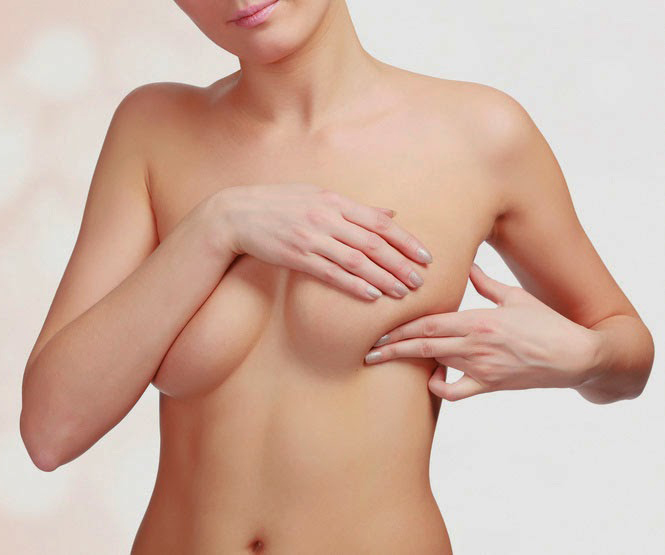
Reconstruction surgery

BREAST RECONSTRUCTION

Breast reconstruction is an integral part of breast cancer care.

It may be considered, if the patient wishes, when a mastectomy is necessary.

Breast reconstruction can be performed during the same surgical procedure as the mastectomy—this is called immediate reconstruction—or at a later time, in which case it is called delayed reconstruction.

In the case of immediate breast reconstruction, the surgeon performs both the removal of the breast and its replacement with an implant placed behind the pectoral muscle—that is, behind the muscle of the chest wall—during the same surgical procedure.

These may also include portions of the latissimus dorsi muscle (back muscle) or the rectus abdominis muscle (abdominal wall muscle), which will be used alone or in combination with a prosthesis.

When radiation therapy is needed after a mastectomy or when chemotherapy is required, reconstruction will be performed at a later date, after treatment is complete, so as not to delay those treatments.

It uses the same techniques as immediate reconstruction (placement of a prosthesis and/or use of muscle flaps).

The choice of reconstruction technique must take into account various criteria, such as the amount and health of the tissue in the area to be reconstructed, the size and shape of the other breast, and the patient’s preferences and expectations.

Regardless of when it is performed or the method used, breast reconstruction usually requires two or three surgeries, with an interval of 3 to 6 months between each one.

The goal of the first procedure is to restore breast volume by inserting an implant and/or using muscle flaps.

The purpose of the second procedure is to harmonize the appearance of both breasts by adjusting the volume and contour of the reconstructed breast—for example, through fat transfer (known as liposculpture)—and/or by performing a procedure on the unaffected breast (such as a reduction in size or a correction of its shape).

The third procedure involves reconstructing the areola and nipple area.

Care philosophy

A holistic approach to women's health

Dr Nadia Oukacha puts her expertise in gynecology, obstetrics and fertility at the service of every woman, combining listening, prevention and cutting-edge technology.

Active listening and caring

Each consultation begins with an in-depth discussion to understand your needs and establish a climate of trust.

Comprehensive, personalized approach

A complete check-up, nutritional advice and psychological follow-up are adapted to your age and life situation.

Focus on prevention

Regular smear tests, screening and check-ups aim to anticipate risks and preserve your health over the long term.

Frequently asked questions (FAQ)

Here you'll find answers to the most frequently asked questions about consultations, specialties, booking appointments and how the practice works.

How do I make an appointment with Dr Oukacha?

You can book your consultation directly online via our website or by calling the practice on +212 606 12 12 13. A contact form is also available on the site.

What are Dr Nadia Oukacha's specialties?

Dr Oukacha specializes in :

  • Gynecology (consultations, pap smears, colposcopy, ultrasounds)

  • Obstetrics (pregnancy monitoring, ultrasound, amniocentesis)

  • Intimate and breast surgery

  • Fertility and medically assisted reproduction (MAP)

What examinations are carried out at the clinic?

The practice is equipped for :

  • Gynecological and obstetrical ultrasounds

  • Cervico-vaginal smear

  • Colposcopy

  • Fertility assessment

What are the opening hours?

  • Monday through Friday: 9:00 a.m. – 5:00 p.m.

  • Saturday: 9:00 am - 1:00 pm

  • Sundays and public holidays: closed

Where is the office located?

The office is located in Casablanca, at 125 BD Brahim Roudani, 1st floor, Appt 11. An interactive map is available on the Contact page.

Book your consultation

Access specialized gynecology, obstetrics and fertility care with confidence and simplicity.