


Dr. Nadia Oukacha – Obstetrician in Casablanca

Monitoring high-risk pregnancies

High-risk pregnancies are pregnancies that pose risks to the health of the mother and/or the child.

They are caused either by a pre-existing medical condition in the mother, by the fetus's development, or by specific events that occur during pregnancy.

A pregnancy is considered high-risk when the expectant mother has a risk factor: she is very young or elderly, or suffers from a chronic condition such as diabetes, high blood pressure, or a heart condition… ; similarly, if she is carrying twins or multiples, or has specific obstetric history such as a uterine malformation or placenta accreta….

A mother who initially has no particular problems may sometimes experience complications during her pregnancy, such as hemorrhage, gestational hypertension, an infection (for example, a severe urinary tract infection), phlebitis, or even a pulmonary embolism—all conditions that must be diagnosed promptly and treated.
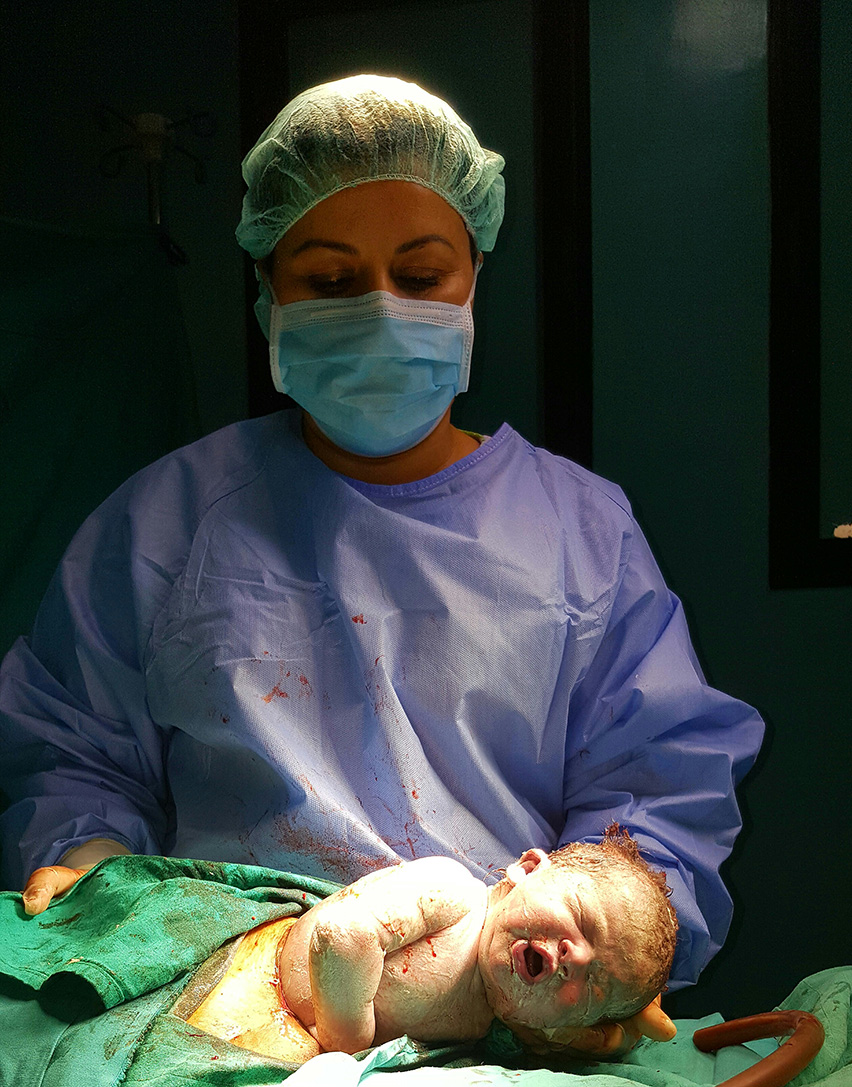

That is why pregnancies—all pregnancies—must be monitored periodically during obstetric visits and through ultrasound examinations, sometimes combined with uterine and/or umbilical Doppler studies, and even fetal well-being monitoring through frequent monitoring sessions.

We describe the two most common conditions encountered in routine practice: gestational diabetes and preeclampsia.

Other conditions will be mentioned for informational purposes only, as their management often requires a multidisciplinary approach involving concurrent monitoring by other specialists (cardiologists, hematologists, nephrologists, addiction specialists, infectious disease specialists, etc.).

Gestational diabetes: This is a form of sugar intolerance that occurs specifically during pregnancy:

Gestational diabetes can be detected through a urine test (glycosuria) or a blood test.

Treatment involves a special diet that limits the intake of simple sugars; if this is not enough to normalize blood sugar levels, insulin injections may be necessary.

One of the main complications of gestational diabetes is having a «large» baby, which carries a risk of preterm birth—sometimes caused by excess amniotic fluid—or a difficult delivery.

The baby may also have hypoglycemia at birth.

Diabetes usually goes away after pregnancy but may return during a subsequent pregnancy or during menopause (a diet low in simple sugars and regular exercise can help prevent this).

Preeclampsia: a kidney disease accompanied by high blood pressure that can develop during the third trimester of pregnancy—and sometimes as early as the second trimester.

It is characterized by the presence of proteinuria, high blood pressure, and edema (swelling of the fingers, feet, face, etc.).

It requires close monitoring of the fetus due to the risk of intrauterine growth restriction, retroplacental hematoma, preterm birth, and intrauterine fetal death.

Treatment typically involves a combination of antihypertensive medications and rest, usually during a hospital stay.

One of the main complications of this disease, if it goes undetected and untreated, is the onset of eclampsia (a combination of very high blood pressure and seizures), which can endanger the expectant mother’s life.

Other high-risk situations during pregnancy:

Care philosophy

A holistic approach to women's health

Dr Nadia Oukacha puts her expertise in gynecology, obstetrics and fertility at the service of every woman, combining listening, prevention and cutting-edge technology.

Active listening and caring

Each consultation begins with an in-depth discussion to understand your needs and establish a climate of trust.

Comprehensive, personalized approach

A complete check-up, nutritional advice and psychological follow-up are adapted to your age and life situation.

Focus on prevention

Regular smear tests, screening and check-ups aim to anticipate risks and preserve your health over the long term.

Frequently asked questions (FAQ)

Here you'll find answers to the most frequently asked questions about consultations, specialties, booking appointments and how the practice works.

How do I make an appointment with Dr Oukacha?

You can book your consultation directly online via our website or by calling the practice on +212 606 12 12 13. A contact form is also available on the site.

What are Dr Nadia Oukacha's specialties?

Dr Oukacha specializes in :

  • Gynecology (consultations, pap smears, colposcopy, ultrasounds)

  • Obstetrics (pregnancy monitoring, ultrasound, amniocentesis)

  • Intimate and breast surgery

  • Fertility and medically assisted reproduction (MAP)

What examinations are carried out at the clinic?

The practice is equipped for :

  • Gynecological and obstetrical ultrasounds

  • Cervico-vaginal smear

  • Colposcopy

  • Fertility assessment

What are the opening hours?

  • Monday through Friday: 9:00 a.m. – 5:00 p.m.

  • Saturday: 9:00 am - 1:00 pm

  • Sundays and public holidays: closed

Where is the office located?

The office is located in Casablanca, at 125 BD Brahim Roudani, 1st floor, Appt 11. An interactive map is available on the Contact page.

Book your consultation

Access specialized gynecology, obstetrics and fertility care with confidence and simplicity.